
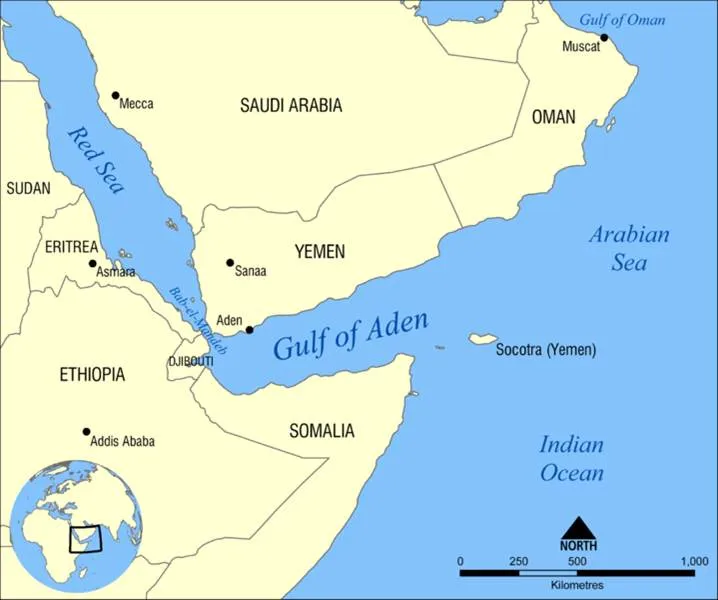
The Gulf Cooperation Council nations, which face the brunt of the Iranian war, areadopting differing positions on the, now a more than a month old conflict. Deep divisions are clearly visible, with each country pursuing its own security interests and strategic objectives. Some nations are pushing to neutralize Tehran’s threat and others seeking for an early end to the war that has created an energy crisis all over the world.
Countries like the UAE lean towards a firm military stance, whereas Oman and others favour de-escalation.
The Emirates as well as Bahrain argue that allowing the war to end while Iran still possessing its current strike capabilities would be a strategic disaster, pushing to continue the fight. On the other hand Oman stands out as a clear exception to this view, favoring immediate de-escalation and diplomatic engagement, Oman also hosted talks between Iran and the United States before the outbreak of war.
The Gulf region has been among the worst hit by the war, facing regular barrages of missiles and drones that have caused extensive damage to energy infrastructure, airports and other vital installations. These states are clueless as how to navigate the crisis without provoking harsh Iranian retaliation or losing the support of their principal military and economic ally, the United States. The central problem posed by this conflict is not only the immediate security risk to GCC states, it is an unquantifiable loss of a window to transform the region into a permanent hub of global infrastructure, finance and technology.
The Gulf, sitting atop the world’s energy reserves have been exquisitely exposed. For nearly a month, Saudi Arabia, Qatar and other nations have absorbed waves of Iranian drone strikes and missile salvos targeting its cities and energy installations, with member nations refraining from hitting back.
Gulf leaders consistently stated, in public and in private, that “this is not our war”. The situation is maddening. Former Saudi intelligence chief Prince Turki al-Faisal described the conflict with Iran as “Netanyahu’s war,” alleging the Israeli Prime Minister convinced US President Donald Trump to initiate it to serve Israeli political interests and divert attention from Gaza. He accused Netanyahu of dragging the region into a wider conflict. Saudi Arabia is navigating a precarious position in the Iran conflict, attempting to maintain neutrality and protect its economic transformation projects. Similarly former Qatari Prime Minister Hamad bin Jassim bin Jaber Al Thani has warned that escalating Iranian attacks, which have included strikes on Gulf energy infrastructure, risk dragging the region into a broader, unpredictable conflict. He criticized these actions as unjustified, urging a return to diplomacy to prevent further escalation.
For the Gulf monarchies, this has become a no-win situation. Their predicament has been further compounded by internal rivalries among GCC members, weakening the bloc’s ability to present a united front at a time of unprecedented regional instability. The crisis has turned into a contest for supremacy within the GCC, with major players such as Saudi Arabia, the United Arab Emirates and Qatar using their financial clout to remain at the centre of regional and global politics. Riyadh and Abu Dhabi are increasingly seen as pursuing parallel — and at times competing — agendas in conflict zones such as Yemen, Sudan and Libya, often backing rival factions and armed groups to protect their strategic interests and expand their influence across the region.
While Riyadh and Abu Dhabi were once close strategic partners, they are now pursuing divergent regional agendas and competing for influence across the Gulf.
Even in the current war, Sheikh Mohammed bin Zayed has emerged as a strong advocate of tougher action against Iran and is seen as more willing to extend logistical and strategic support to the United States and its ally, Israel, in any effort to weaken or even bring down the present Iranian regime.
Sheikh Manzoor Ahmed, former Diplomatic Editor of UNI