
The stunningly beautiful Kashmir Valley has earned recognition for its scenic charm not only within the country but globally as well. Any mention about Kashmir enthralls the people especially the nature lovers across the globe. They find a connect with Kashmir, and fondly speak about the warmth of the people, distinct hospitality besides its mesmerising beauty. The Kashmiris were not surprised when their countrymen spoke about the idyllic and serene environment during travel to different parts of the country , and believed Kashmiris to be lucky people to have been living in Kashmir. This was the position before 1990.
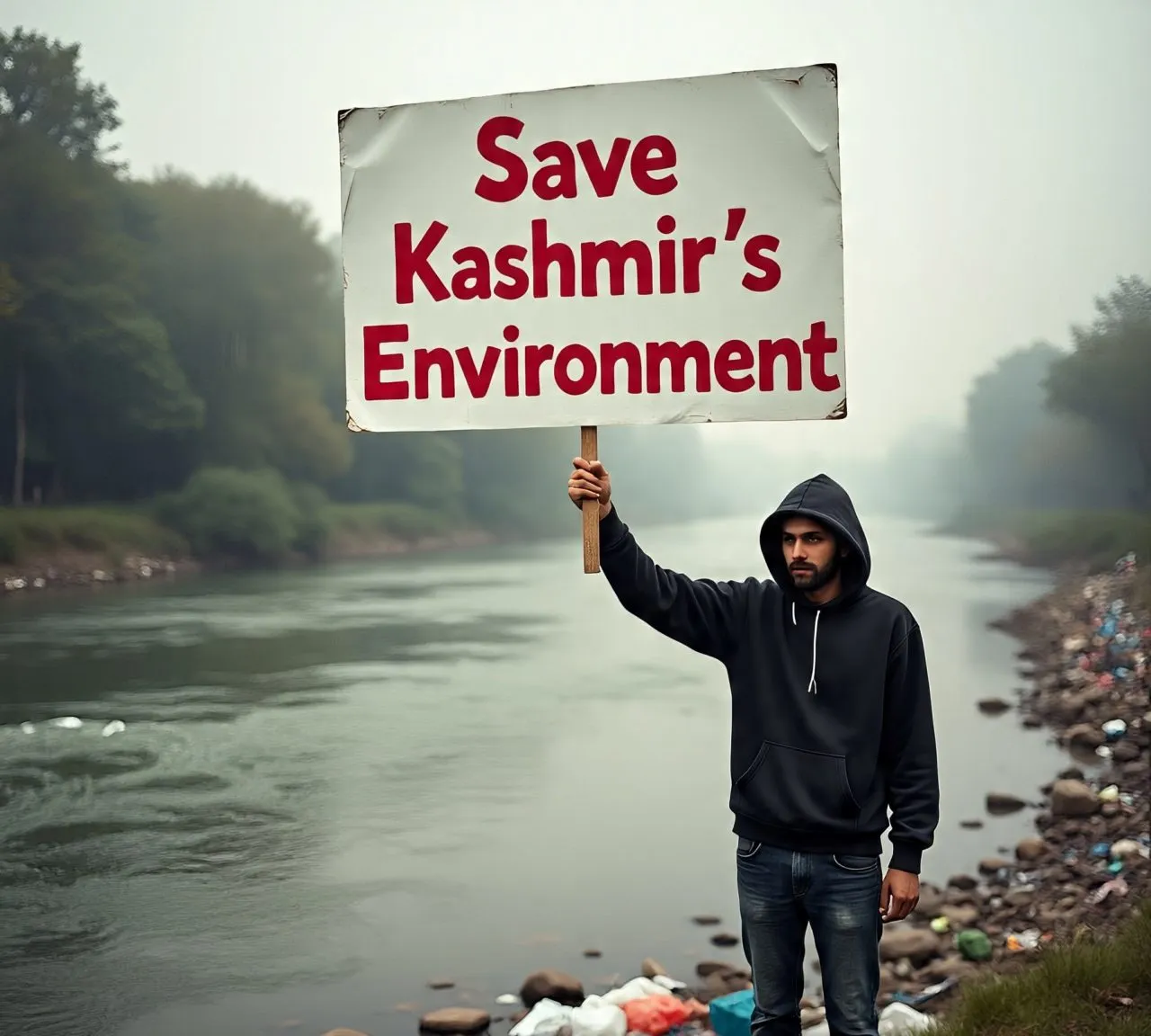
However, during the decade of 90’s and, thereafter, lives were lost, businesses crumbled and assets got consumed. However, what we lost, and lost irretrievably were our natural resources. The forests were ruthlessly looted in broad daylight; 6 lac kanals of forest area is under encroachment. The same fate befell our waterbodies, open public spaces which were filled up and encroached upon. The iconic internationally recognised Ramsar Sites Wular Lake, Hokersar, Hygham and Shallabugh have not been spared. Rivers, Nallahs, streams and karewas were brutally vandalised to fill the coffers of a few wealthy businessmen /contractors. The Romshi, Rambiara, Doodhganga, Shalli Ganga, sukhnag rivers are blatant examples. The reputed environment activist Dr. Raja Muzaffar is playing a heroic role to stop vandalisation of these resources, through his legal battle in the National Green Tribunal against the violators. The violators, encroachers and the “Mitti Mafia” enjoy considerable support in the corridors of power.
Kashmir witnessed unplanned, unorganized construction activity. Every inch of open space was filled with a structure. The greenbelt, the wildlife sanctuaries and protected areas were vandalised. The natural habitat of wildlife was intruded into, resulting in foray of leopards and bears into towns and cities.
The loss of forest cover, encroachment and vandalisation of waterbodies, accompanied by climate change and global warming have resulted in change of weather cycles. Winters have become warmer, snowfall rare and unseasonal. Summers are oppressive. The weather change has affected our agriculture and horticulture production. Kashmir, appears to be slowly but surely heading towards an ecological catastrophe.
During the past couple of decades, especially since 2014 devastating floods, environmental activists have been making tireless efforts for creating awareness among people in general and students in particular about the need for protection of environment and conservation of natural resources. One such group of activists, experts & advocates have formed a Non-Profit Organisation (NPO) – a registered trust, Environmental Policy Group (EPG). It’s headed by a well known environmentalist Faiz Bakshi. EPG, apart from awareness, is spearheading fundamental environmental issues of conservation of natural resources. Its core activity involves filing Public Interest Litigations (PILs), obtaining orders from the Jammu, Kashmir & Ladakh Hugh Court and pursuing their implementation. Some of the orders have been pathbreaking.
EPG also seeks implementation of Supreme Court orders related to environmental conservation. It regularly visits wetlands and lakes and submits recommendations to the authorities about the action required to be taken by various government agencies.
In this context the responsibility falls on elected government which has come to power with huge public mandate. The existing environmental challenges provide them an opportunity to seriously act on pressing issues. There has to be a balance between environment and development. No projects should be cleared without obtaining required NOCs under environmental laws – Environmental Impact Assessment and Social Impact Assessment.
The issue of deep river mining is causing a serious impact on hydrology and protection of river embankments. The vandalisation continues despite strict orders from National Green Tribunal.
The solid waste management poses yet another serious risk. Achan Saidapora has turned out to be a poisonous nightmare—not only for its inhabitants but even for patients at SKIMS Soura. Lakhs of metric tonnes of legacy waste is piled up at Achhen making the life of inhabitants of adjoining areas miserable. SMC needs to act effectively and decisively.
The government and the civil society needs to work hard; with civil society playing its role in controlling pollution by bringing change in people’s habits. And the Government must seriously work for conservation of environment and not succumb to vote bank politics.
The Author is a Senior Journalist, and a Human Rights Activist