
Kashmir valley has been one of the prides of Indian tourism since the times of Moghul rule. Following British Raj and the subsequent Dogra rule which brought in its accession to India in 1948 it has seen improvements and a growing enthusiasm for the “Paradise on Earth”. Despite tensions at its borders the Valley has always been the prime destination because of its easy access by land and air in comparison to other places in Himachal Pradesh and the UP hills. Its natural beauty, the lakes, meadows, gurgling streams and well publicised destinations. The ease of travel within the valley has also been its attraction and a strong point. After thriving in the 1970s–1980s, tourism declined due to conflict but has seen a massive resurgence post-2019, with 2024 seeing a record 2.35 crore visitors. Following significant security challenges of April 2025 in Pahalgam—which initially saw a substantial drop in footfall—the region has shown extraordinary resilience. As of March 2026, the industry is not just recovering but is poised to break previous records.
The current atmosphere is one of cautious optimism backed by iron-clad preparation. Early heat in the Indian plains has accelerated the northern migration of travellers, and the valley is responding with a “bloomy” spring that promises to be one of the most vibrant in recent memory. The well- known Badamwaer, a large majestic area at the foothills of the Hari Parbat is full of blossoms in a very serene atmosphere. The place blooms typically in March, it features thousands of pink and white flowers, fountains, and a dome named after Afghan ruler Warris Shah. It acts as a major cultural spot marking the spring season, offering a vibrant, aromatic experience, especially before the full bloom of other Mughal gardens.
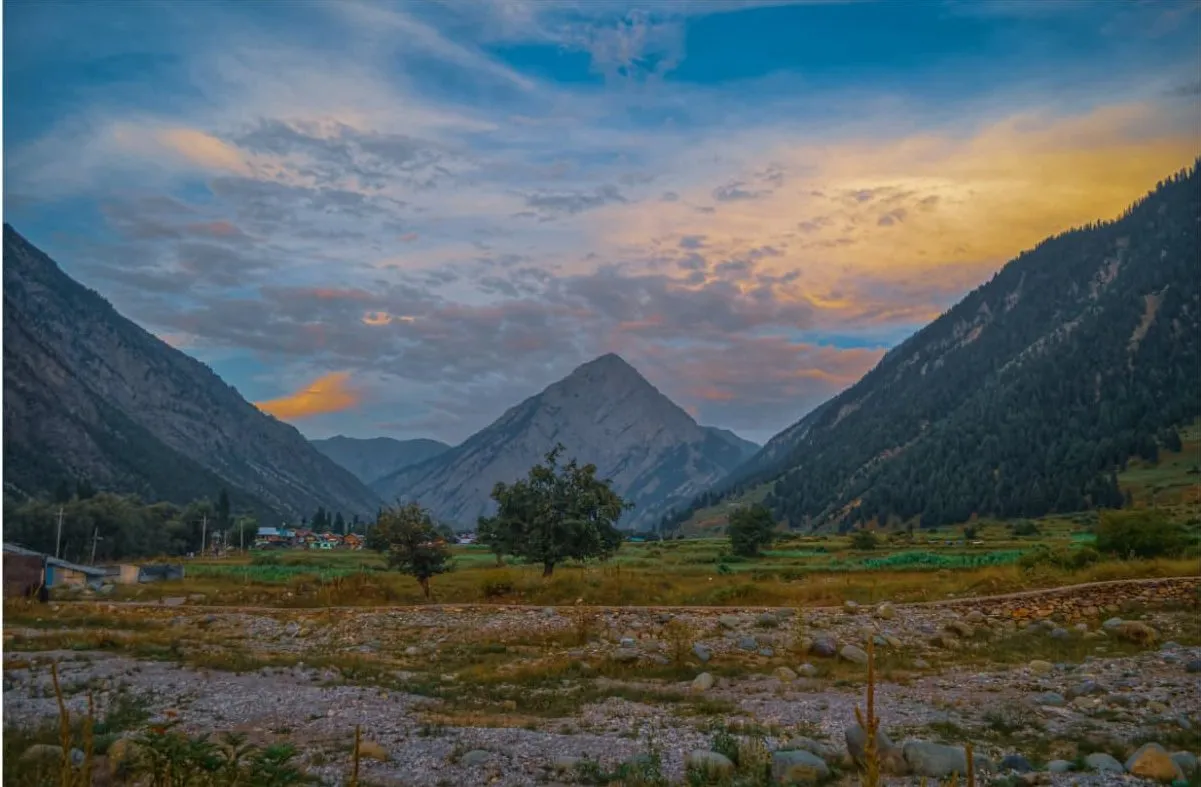
The revival and growth of tourism in Kashmir Valley is increasingly defined by a shift toward authentic, immersive experiences that moves beyond the traditional “Golden Triangle” of Gulmarg, Pahalgam, and Sonamarg. By opening the doors to the “hidden” north, the region can offer a more diverse and sustainable appeal. Districts like Kupwara and Bandipore offer raw, untouched beauty that appeals to the modern “slow traveller” and adventure enthusiast. Lolab Valley, often called the “Land of Love and Beauty,” its lush orchards and the historic Kalaroos Caves (with their ancient stone carvings) are perfect for trekking and archaeological tourism. Tangdar & Karnah offer a unique “Border Tourism” experience. The breathtaking views of the Sadhna Pass and the cultural proximity to the Shina-speaking tribes provide a distinct flavour from the rest of the valley. Coming to Bandipore District, Gurez Valley, since its opening to tourists, has become a symbol of peace. The pyramid-shaped Habba Khatoon peak and the crystal-clear Kishanganga River are magnets for campers and trout-fishing enthusiasts. Wular Lake one of Asia’s largest freshwater lakes, is a paradise for birdwatchers.
The pillar of the 2026 revival in response to the 2025 incidents have been a multi-tier security cover which has been implemented. Over 14 major tourist spots previously closed for review have been reopened with increased patrols, CCTV surveillance, and dedicated Tourist Police Help Centres. The Union Budget 2026-27 has allocated significant funds, including ₹180 crore specifically for Amarnath Yatra infrastructure and a massive budget for the expansion of the Srinagar International Airport. The “Pahalgam Incident” of 2025 serves as a sombre reminder of the valley’s sensitivities, but the collective response from the government and the local populace has turned a crisis into a catalyst for modernization.
By focusing on infrastructure, diversification, and digital transparency, Kashmir can transform from a seasonal favourite into a year-round global powerhouse. While the current trajectory is positive, several strategic moves could further solidify Kashmir’s position as a premier global destination. Some of them could be like promoting Border Tourism in safe zones like Keran, Gurez, and Teetwal to reduce the load on Gulmarg and Pahalgam. Accelerating the Udhampur-Srinagar-Baramulla Rail Link to ensure the valley remains accessible even during heavy snow/landslide seasons. Developing sustainable trekking trails, modern and hygienic camping facilities, and “Filming Circuits” to attract Bollywood and international crews will add to the attractions. In addition, standardized training for 10,000 guides (as per the national pilot scheme) to ensure the “evergreen hospitality” will be matched by professional explanations of the historic facts of various legendary sites like the Naranag near Kangan, the historic architectures around Awantipora and Parihaspora, an ancient archaeological site, former 8th-century capital city built by King Lalitaditya Muktapida of the Karkota dynasty.
The story of Kashmir in 2026 thus is no longer just one of recovery, but of profound transformation. By expanding the traveller’s map from the traditional ‘Golden Triangle’ to the untouched beauty of the Lolab and Gurez Valleys, the region is shedding its image as a fragile seasonal retreat. The transition toward sustainable ‘slow travel’ and a strong infrastructure suggests that Kashmir is finally anchoring its legendary reputation to become a modern and a reliable tourist destination. As the blossoms of Badamwaer signal a new spring, they also symbolise a region that has turned the lessons of 2025 into a blueprint for a resilient, world-class future.
Prof Upendra Kaul, Founder Director Gauri Kaul Foundation