
Last year, during a visit to Leh, we carried homemade lunch with us while travelling. We forgot to pack plates and assumed we could easily buy disposable ones from the market. To our surprise, we tried at a local market on the way to Leh but could not find disposable plates or spoons anywhere. Even when we offered to pay extra, shopkeepers refused. That was the moment we realised that protecting a place from garbage is not only the job of authorities—it is equally the responsibility of people, of you and me.
Back home in Kashmir, the contrast is stark, although Ladakh is not that clean either.
For years now, the default response to Kashmir’s growing filth has been predictable: blame the administration, blame officers, blame municipal councils. While governance failures are real and undeniable, this convenient narrative has allowed society to absolve itself of responsibility. The uncomfortable truth is that Kashmir’s waste crisis is as much a social failure as it is an administrative one.
Gone are the days when Kashmir was celebrated as a paradise on earth. Today, the valley increasingly resembles a dumping ground. We check air quality index now. Heaps of plastic, polythene, diapers, kitchen waste and animal waste occupy our lands, agricultural fields, riverbanks and lake shores. Worse, this waste seeps into water bodies, damaging ecosystems, poisoning aquatic life and permanently scarring the valley’s natural beauty.
The question we must ask—honestly—is simple: who is responsible?
According to recent data from the Periodic Labour Force Survey, Jammu and Kashmir’s literacy rate stands at around 82%, placing it among the more literate regions in the country. In simpler terms, almost every household has at least one educated person capable of distinguishing right from wrong, civic sense from civic apathy. Yet paradoxically, the same educated society is often seen contributing the most to this mess.
Jammu and Kashmir generates approximately 1,470–1,500 tonnes of solid waste every day. Shockingly, only about 20% of this waste is scientifically treated. The remaining bulk ends up dumped along roadsides, in forests, and into rivers and streams. Srinagar alone generates 550–600 tonnes of waste daily, most of which is pushed to the already overburdened Achan landfill, now facing a serious capacity crisis.
The situation in towns like Sopore is even more alarming. Despite producing around 33 metric tonnes of solid waste daily, Sopore has no designated garbage dumping site. Other districts too fall in this line. This failure at the policy and planning level is undeniable. But does the absence of dumping sites justify dumping waste into rivers, wetlands and orchards?
Visit any tourist spot frequented by young people. Is there a single location free of trash? The answer is obvious. Yet, the same society is quick to sermonise about cleanliness and environmental protection, often directing anger exclusively at municipal bodies and officials.
In recent months, departments like the Baramulla Municipal Council and Sopore Municipal Council have been seen working tirelessly—cleaning riverbanks, streets and neighbourhoods with limited manpower and infrastructure. Their efforts, however sincere, are destined to achieve only partial success. Why? First, because the absence of proper waste processing and dumping facilities is a policy failure beyond their control. Second, and more critically, because public behaviour continuously undermines whatever progress is made.
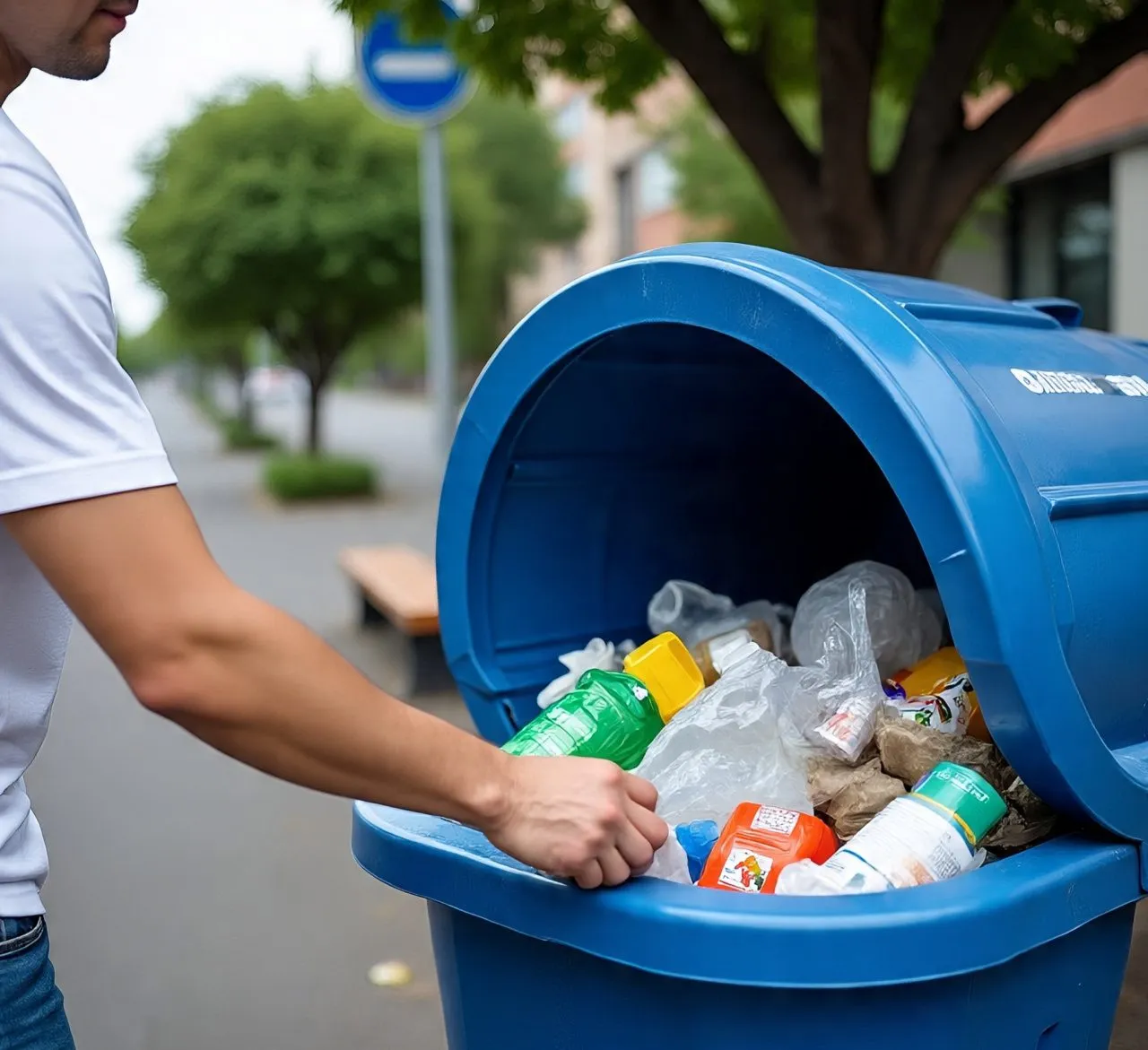
Every day, people can be seen carrying dustbins filled with household garbage and casually dumping them on riverbanks as if it were a routine civic exercise. Ironically, many women keep their homes and yards spotless, only to dispose of waste during morning or evening walks by throwing it into nearby streams. Cars stop along bridges and roadsides, and garbage is tossed into rivers without shame—sometimes by the very people who speak loudly about cleanliness drives and civic responsibility.
This hypocrisy lies at the heart of Kashmir’s waste problem.
We cannot endlessly blame the administration while actively participating in environmental destruction. Civic sense does not begin and end with government notifications. It begins at home—with waste segregation, refusal to litter, and the courage to call out wrong practices, even within our own families and neighbourhoods.
Yes, the government must create infrastructure: scientific landfills, waste-to-energy plants, segregation systems and stricter enforcement. But infrastructure alone cannot fix a society that has normalised dumping waste into its own lifelines.
If this collective apathy continues, the consequences will be irreversible. Kashmir risks losing not only its ecological balance but also its reputation as a world-class tourist destination. A valley choking on plastic and filth cannot sell itself as paradise.
The choice is stark. Either we continue pointing fingers while drowning in our own waste, or we accept that saving Kashmir begins with changing Kashmiri behaviour. The administration must act—but so must we.
Noor ul Haq, is an independent Journalist from Kashmir.