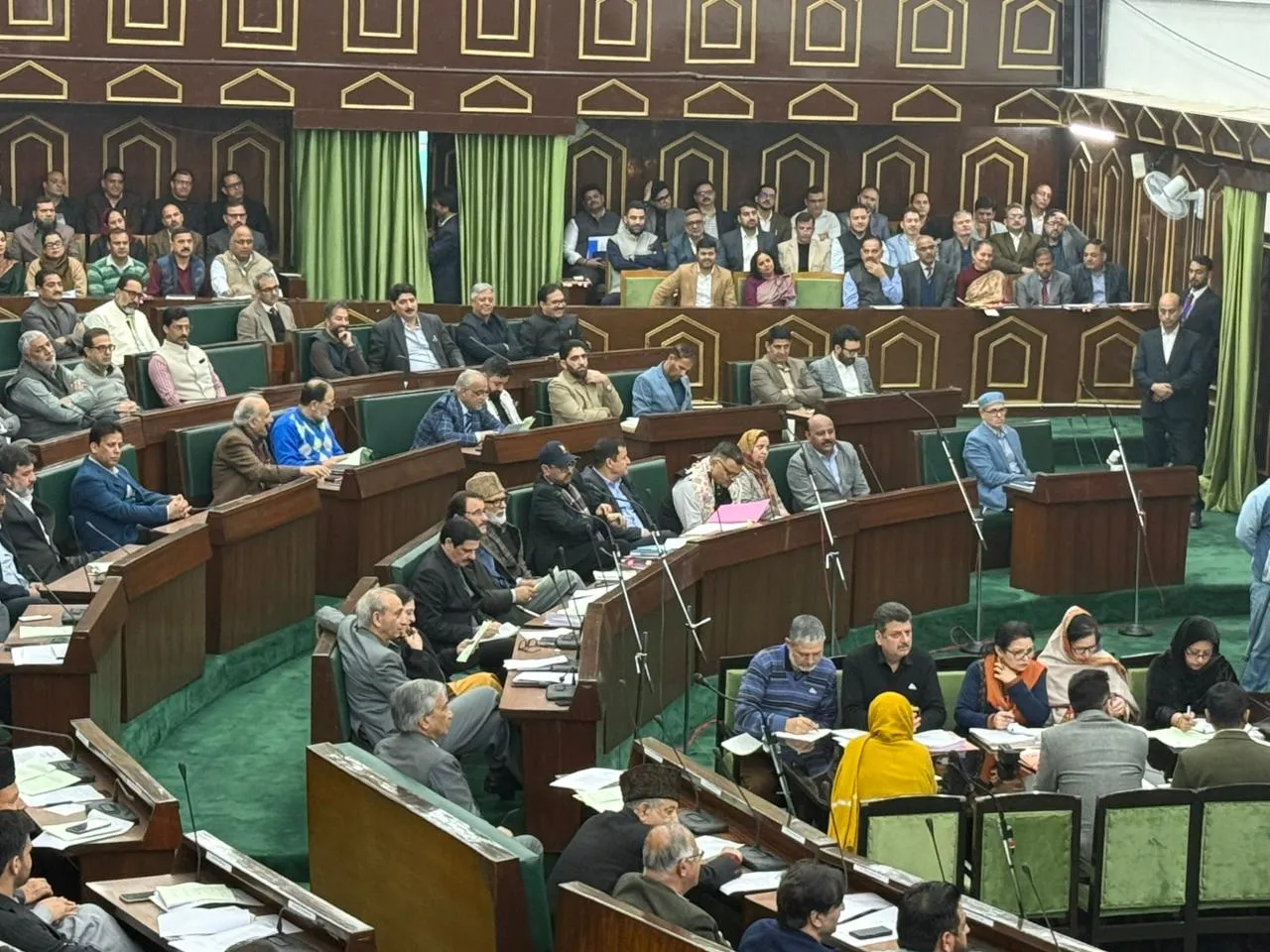

In every democracy, politicians are entrusted with a clear mandate to lead, legislate, and represent the concerns of the people. Their role is fundamental to governance and nation-building. Yet, in recent times, a growing sentiment among citizens reflects a sense of fatigue and frustration, why do politicians feel compelled to involve themselves in almost every issue, no matter how minor, local, or unrelated to core governance? This question is not merely rhetorical. It points toward a deeper transformation in the nature of politics itself one that has blurred the boundaries between responsibility and overreach.
At the heart of this phenomenon lies the politics of visibility. In an era driven by 24/7 news cycles, social media platforms, and instant public reactions, silence has become a liability. A politician who does not speak is often perceived as inactive, indifferent, or disconnected. As a result, there is constant pressure to remain visible, to react quickly, and to insert oneself into ongoing conversations. Presence has become synonymous with performance. However, visibility alone does not explain everything. In many cases, political engagement arises from a genuine need to highlight issues that affect the daily lives of ordinary citizens. Rising costs of living, unemployment, deteriorating infrastructure, public safety concerns, and local administrative failures are real problems. When political voices raise these issues, question authorities, and demand accountability, they are fulfilling an essential democratic role. In fact, a healthy democracy depends on such engagement. Citizens expect their representatives to be accessible, aware, and responsive. They want leaders who speak up when systems fail and who amplify the voices of those who might otherwise go unheard. In this sense, political involvement is not just justified it is necessary. At the same time, it is important to acknowledge that not everyone would agree with the characterization of this behaviour as “interference.” Many would argue that it is simply active participation in democracy a reflection of responsiveness rather than intrusion. From this perspective, what may appear as unnecessary involvement to some may be seen by others as accountability in action.
When every issue, regardless of its scale or nature, is turned into a political spectacle, the line between governance and opportunism begins to fade. Matters that could be resolved through administrative efficiency or community dialogue are often escalated into public controversies. Routine issues become headline debates. Every incident becomes a platform for positioning. This constant politicization carries a cost. First, it distracts from governance. Time and energy that should be invested in long-term policy planning, development initiatives, and institutional strengthening are instead consumed by managing perceptions and responding to controversies. The focus shifts from solving problems to being seen as responding to them. Second, it creates unnecessary polarization. Issues that might otherwise remain local or manageable are transformed into ideological battles. Public discourse becomes sharper, more divisive, and less constructive. Instead of solutions, what emerges is confrontation. Third, it weakens institutional processes. When political intervention becomes the default response to every situation, it undermines the role of administrative systems, law enforcement agencies, and independent bodies. Decisions that should be taken through structured mechanisms are influenced by public pressure and political narratives. Yet, perhaps the most critical concern arises when this tendency extends into areas of national importance particularly national security.
Issues related to defence, intelligence, internal security, and foreign relations are fundamentally different from everyday political matters. They involve sensitive information, strategic calculations, and long-term consequences. Unlike local issues, they cannot always be debated openly or addressed through immediate public reactions. In such matters, restraint is not weakness it is responsibility.
Even those who believe that politicians are merely “engaging” rather than “interfering” would agree that national security demands a higher standard of conduct. Words spoken in haste, statements made without full information, or attempts to extract political mileage from sensitive developments can have serious consequences. They can create confusion among citizens, erode trust in institutions, and send unintended signals beyond national borders. This is where maturity in public life becomes essential.
A nation expects its political voices to rise above competition when it comes to its safety and sovereignty. Differences may exist, debates may continue, but there must be an underlying sense of caution. Sensitivity is not a limitation it is a duty.
Another key factor driving constant political engagement is the battle for narrative control. In today’s information ecosystem, perception often shapes reality. If a narrative is not addressed quickly, it risks being defined by others whether opponents, media outlets, or social platforms. This creates a sense of urgency where responding becomes more important than reflecting. As a result, reaction replaces deliberation. This culture of immediacy has transformed political behaviour. Statements are made in haste, positions are taken quickly, and complex issues are reduced to simplified arguments. While this may serve short-term political objectives, it often undermines long-term credibility and trust. Despite these challenges, it would be incorrect to assume that citizens desire disengaged leadership. On the contrary, people want leaders who are present, informed, and responsive. They appreciate those who speak on issues that affect their lives and who challenge inefficiencies in governance. But there is a clear expectation of balance. Citizens do not want constant noise, they want meaningful intervention. They do not expect political voices to comment on everything, but they do expect them to act where it truly matters. They seek a form of leadership that combines accessibility with restraint, engagement with wisdom, and visibility with purpose. The need of the hour, therefore, is not less political participation, but better political judgment. Political voices must continue to raise the concerns of the people. They must question, debate, and hold systems accountable. But they must also recognize the limits of their involvement. Not every issue requires amplification. Not every situation demands a reaction and when it comes to matters that touch the sovereignty, security, and strategic interests of the nation, the approach must change entirely. Here, caution must replace aggression, and unity must take precedence over competition. Ultimately, the difference between politics and leadership lies in understanding this balance. Politics often seeks attention it thrives on visibility, reaction, and positioning. Leadership, on the other hand, commands trust it is measured by judgment, restraint, and the ability to act in the larger interest.
A mature democracy does not require its leaders to be everywhere at all times. It requires them to be effective where it matters most. In the end, the question is not whether politicians should engage with public issues they must. The real question is whether they can do so with the sensitivity, responsibility, and restraint that the nation deserves. And that answer defines not just the quality of leadership, but the strength of the democracy itself.
The Writer is a social activist and columnist working at the grassroots level to bridge public concern with policy action.